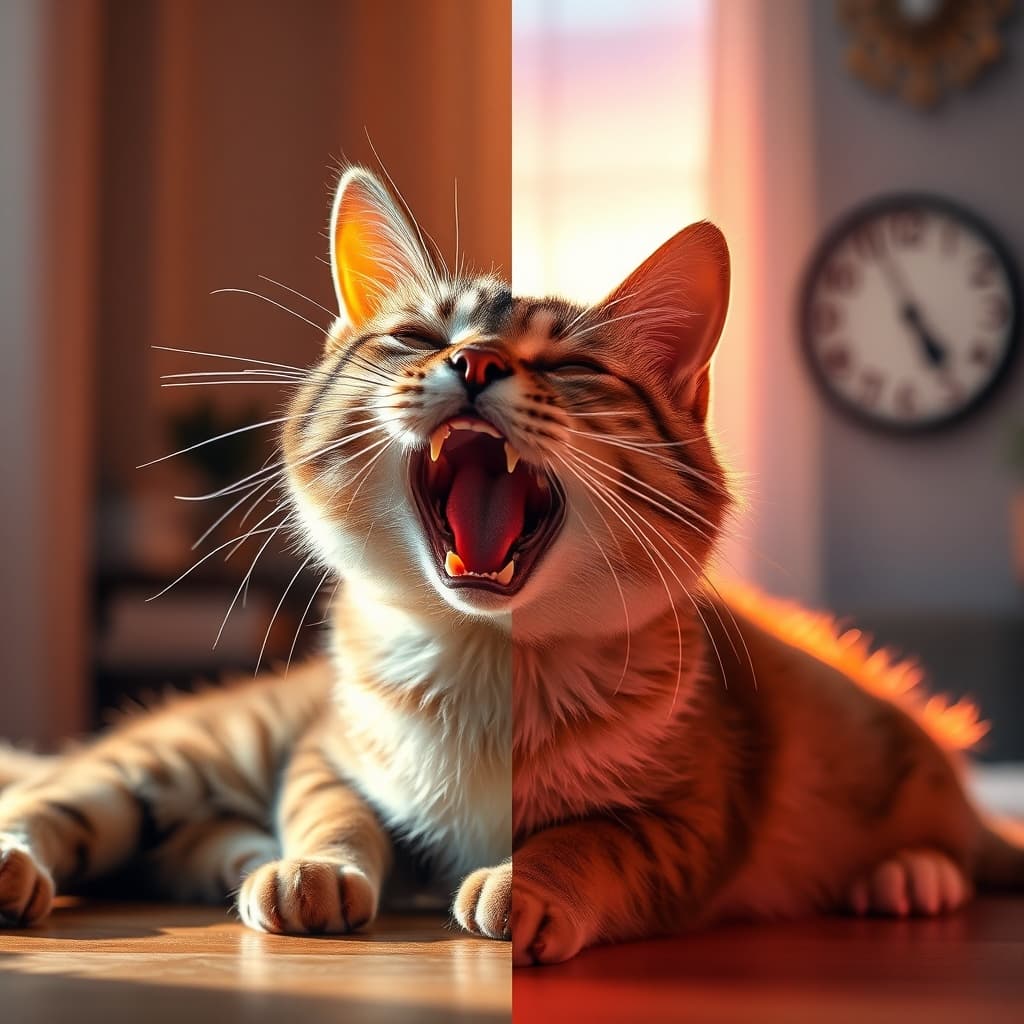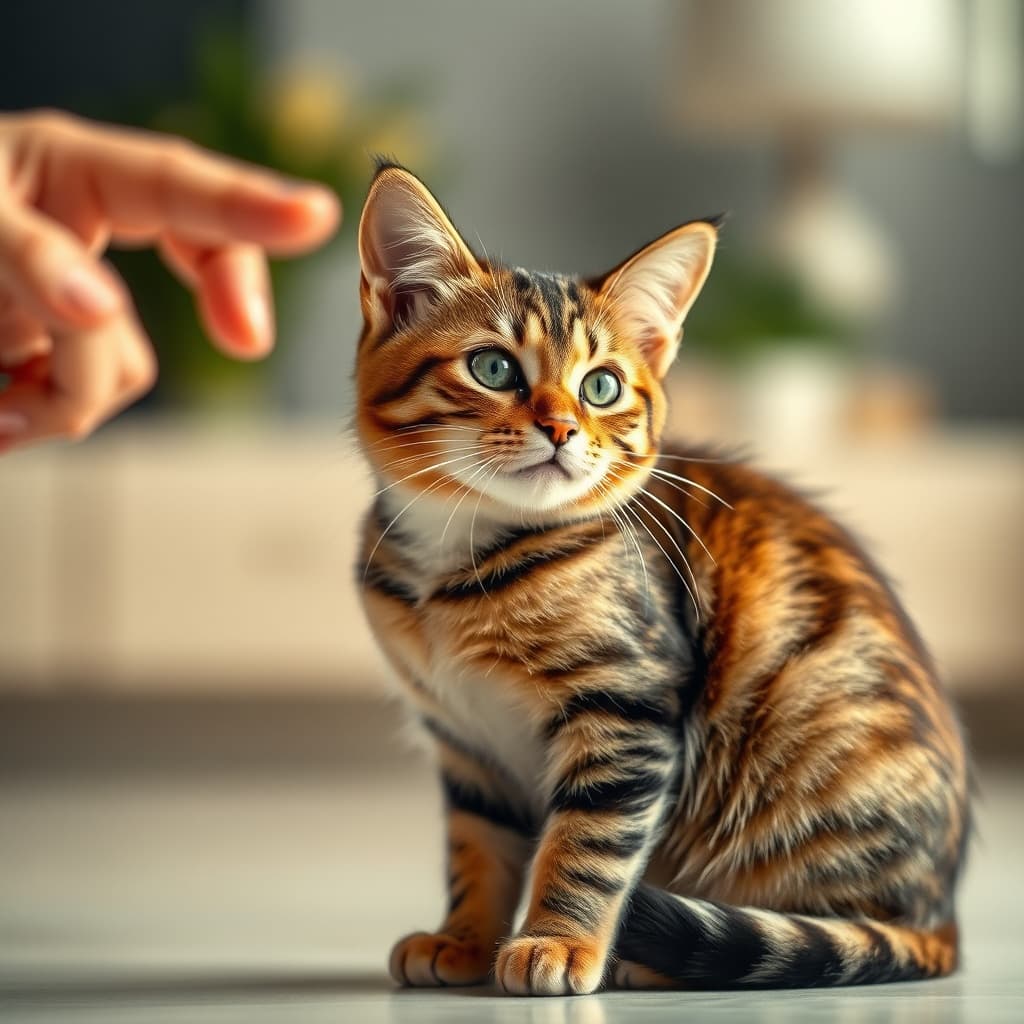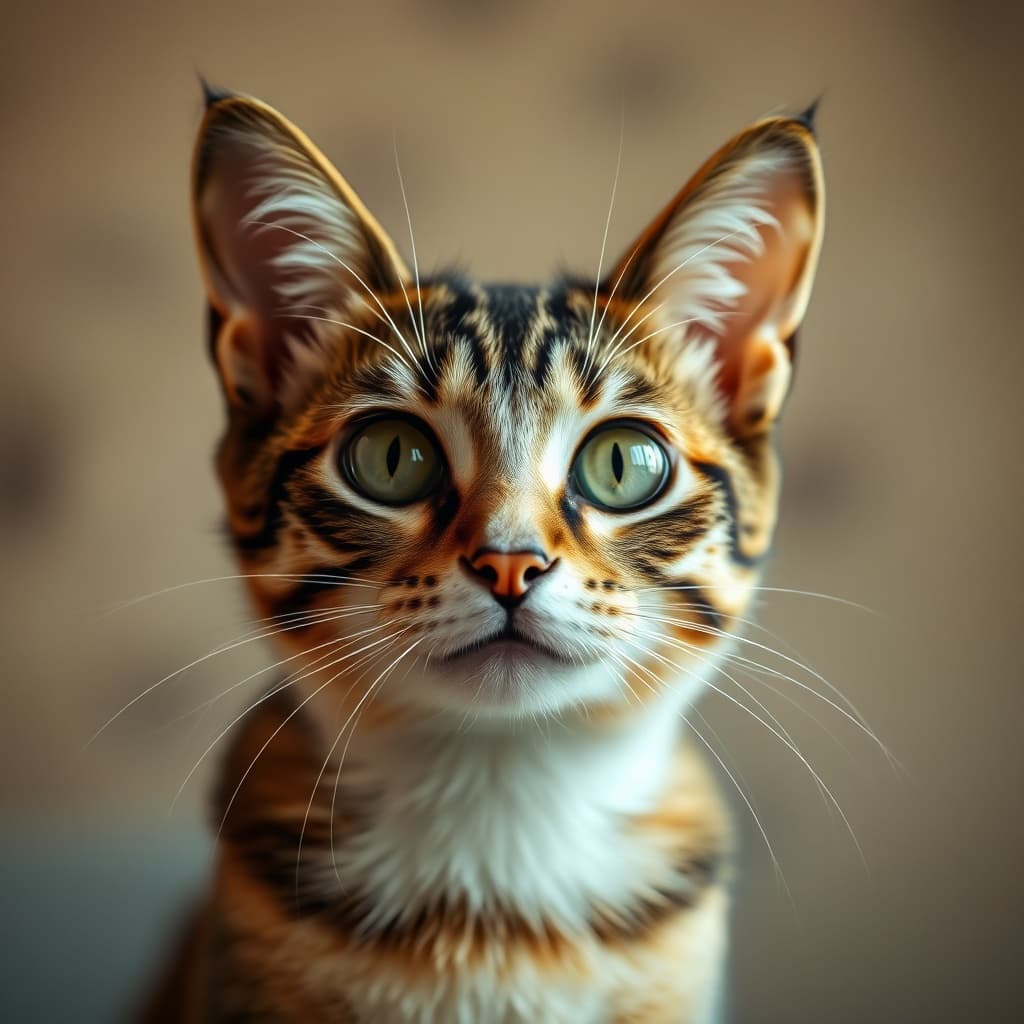
Your Cat's Hidden Intellectual Powers
When was the last time you truly observed your cat thinking? Perhaps right now, as she sits by the window analyzing bird movements, or when she deliberately chooses between two food bowls. What if I told you that complex cognitive processes similar to those found in primates are happening inside that feline mind?
Groundbreaking research in comparative psychology is revealing the sophisticated world of feline cognition. Scientific findings show that our furry companions can recognize categories and concepts in ways we previously attributed only to higher primates. This discovery is revolutionizing our understanding of domestic cat intelligence.
Understanding Feline Categorization
Categorization is the ability to group objects, sounds, or situations based on shared characteristics. Think of it simply: when you see a car, you immediately classify it as a "vehicle," regardless of whether it's red, blue, small, or large.
In cats, this ability functions remarkably similarly. They can recognize and classify various stimuli into categories, helping them navigate their world efficiently. For instance, your cat knows how to distinguish the category of "toys" from "food" or "threats."
How Scientists Test Feline Cognitive Abilities
Researchers use specially designed experiments where cats must discriminate between different stimuli. These studies examine:
Visual categories: recognizing shapes, colors, or patterns
Auditory categories: sorting sounds by their characteristics
Spatial categories: understanding relationships between objects
Quantitative categories: discriminating quantities
The results are remarkable - cats demonstrate abilities comparable to bears, dogs, and even some primates.
Scientific Evidence: Cats vs. Primates
Data published in the International Journal of Comparative Psychology reveals fascinating parallels between carnivores and primates. Cats can form natural categories, discriminate quantities, and respond to complex stimuli much like their distant cousins - the primates.
What Makes Cats So Intelligent?
Feline intelligence manifests in several key areas:
Cognitive Flexibility: Cats adapt their behavior based on new information. When their food bowl location changes, they quickly adjust their routine.
Social Cognition: They recognize different human gestures, facial expressions, and vocal tones. They know when you're in a good mood and when it's better to keep their distance.
Spatial Intelligence: Cats possess excellent spatial memory and can create mental maps of their environment.
Predatory Strategies: During hunting, they employ complex thought processes - planning, waiting, and adapting to prey behavior.
Recognizing Intelligence in Your Cat
Want to know how this intelligence manifests in daily life? Here are signs to watch for:
Learning and Memory
Your cat remembers routines and anticipates feeding times
She recalls where you've hidden her favorite toy
She quickly masters new tricks or commands
Problem-Solving Skills
Finding ways to open doors or drawers
Retrieving toys from under furniture
Creating pathways to seemingly inaccessible places
Communication and Social Behavior
Using different types of vocalizations for different needs
Reading your mood and responding appropriately
"Negotiating" - like leading you to her food bowl when hungry
Practical Tips: Nurturing Feline Intelligence
Now that you understand your cat's intelligence, you can help develop these abilities:
Mental Stimulation is Essential
Interactive Toys: Invest in puzzle toys that require problem-solving to access rewards. These develop cognitive abilities and provide mental enrichment.
Toy Rotation: Don't leave all toys out simultaneously. Rotate them every few days to maintain curiosity and interest.
Positive Reinforcement Training: Yes, cats can be trained! Use treats and praise to teach new behaviors and tricks.
Environmental Enrichment
Vertical Spaces: Cats love heights. Shelves and cat trees allow them to observe their world from different perspectives
Hidden Treats: Hiding food around the house encourages natural foraging behavior
Varied Textures: Different surfaces and materials stimulate the senses
Social Interaction
Regular Play Sessions: Dedicate at least 15-20 minutes daily to active play. Use toys that mimic prey animals.
Conversations with Your Cat: Respond to her vocalizations. This communication strengthens your bond and stimulates her social abilities.
Implications for Cat-Human Relationships
Understanding feline intelligence changes how we view our cats. They're not just adorable pets, but intelligent beings capable of complex thought. This knowledge should influence how we care for them.
When you realize your cat can categorize and think like primates, you begin to appreciate the importance of:
Mental Stimulation - a bored intelligent cat may develop behavioral problems
Respect for Their Abilities - cats deserve more complex interactions
Patience in Training - if they understand categories, they can learn rules
The Future of Feline Cognition Research
The science of cat intelligence continues evolving. As we learn more about their cognitive abilities, we can better ensure their wellbeing and happiness.
Future research may reveal even more fascinating aspects of feline thinking - from their capacity for empathy to complex social interactions.
Comparing Carnivore Cognition
The research extends beyond cats to other carnivores. Studies show that the order Carnivora - including bears, felines, and canines - demonstrates remarkable categorization abilities. This suggests that cognitive sophistication in carnivores has been significantly underestimated.
Why This Matters for Pet Owners
Recognizing that cats share cognitive abilities with primates has practical implications:
Training Approaches: Understanding that cats can categorize means they can learn complex rules and associations.
Behavioral Issues: Many "problem behaviors" might stem from insufficient mental stimulation for their intelligent minds.
Welfare Considerations: Intelligent animals require more than basic care - they need cognitive challenges and environmental enrichment.
Creating a Cognitively Rich Environment
To support your cat's intellectual needs:
Daily Enrichment Activities
Foraging Games: Hide treats in different locations to encourage natural hunting behaviors
Training Sessions: Teach commands, tricks, or agility exercises
Sensory Experiences: Introduce new scents, textures, and sounds safely
Long-term Cognitive Health
Consistency with Novelty: Maintain routines while introducing new experiences
Social Interaction: Engage in meaningful play and communication
Health Monitoring: Cognitive abilities can decline with age or illness
Conclusion: Embracing Your Cat's Intelligence
Next time you observe your cat, remember these scientific findings. Complex cognitive processes rival to those in primates are occurring in that small head. Your cat isn't just a pet - she's an intelligent companion deserving respect and understanding.
Provide more mental challenges, environmental enrichment, and quality interaction. You'll witness her natural intelligence flourish before your eyes.
This research opens new possibilities for deeper cat-human relationships based on mutual respect for cognitive abilities. By acknowledging and nurturing your cat's intelligence, you're not just improving her quality of life - you're participating in a more profound interspecies connection.
This article is based on scientific findings published in the International Journal of Comparative Psychology. For more information about categorization abilities in carnivores, visit: https://doi.org/10.46867/ijcp.2017.30.01.06