The Hidden World of Cat Vision: Colors Beyond Human Perception
When you look at your feline companion, you might wonder: "What does the world actually look like through their eyes?" The answer is more fascinating than you might imagine. Your cat experiences a visual world that's dramatically different from your own, shaped by millions of years of evolutionary adaptation.
Cutting-edge research in comparative physiology has unveiled remarkable insights into how our feline friends process visual information. According to recent studies published in prestigious scientific journals, cat vision operates on principles that are fascinatingly distinct from human perception, optimized for their unique ecological niche as predators.
Scientific Discoveries About Feline Color Vision
Cats possess dichromatic vision, meaning they have only two types of color receptors compared to humans' three. This fundamental difference means cats primarily see blue and green wavelengths, while red appears to them as brown or muted green tones.
Research focused on cognitive processes in carnivores has demonstrated that cats have exceptional abilities to discriminate between stimuli, which aids them in hunting and environmental navigation. Their brains are specifically wired to detect movement and contrast rather than subtle color variations.
What does this mean practically? Your cat is far more likely to spot a mouse moving through grass due to contrast and motion than because of the mouse's color. This represents an evolutionary gift that has made them successful predators for thousands of years.
How the Feline World Differs from Human Vision
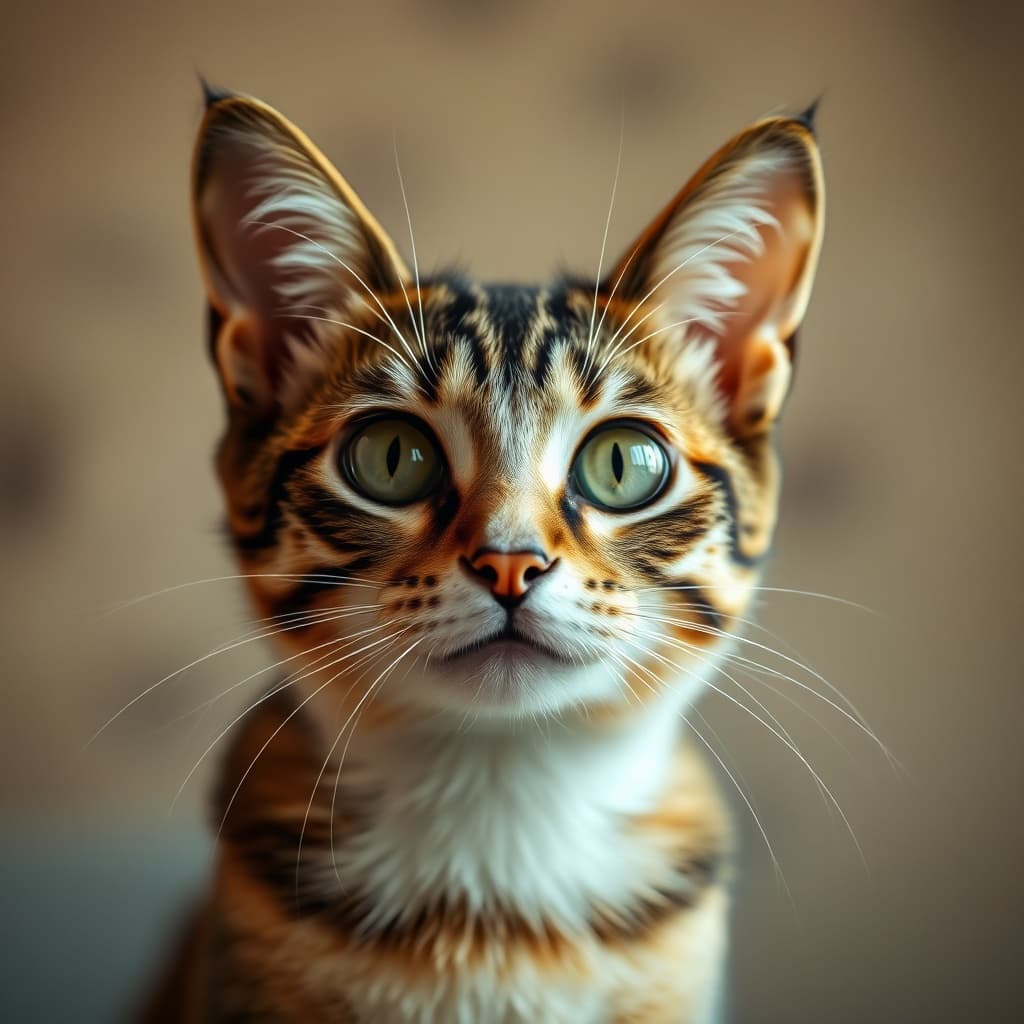
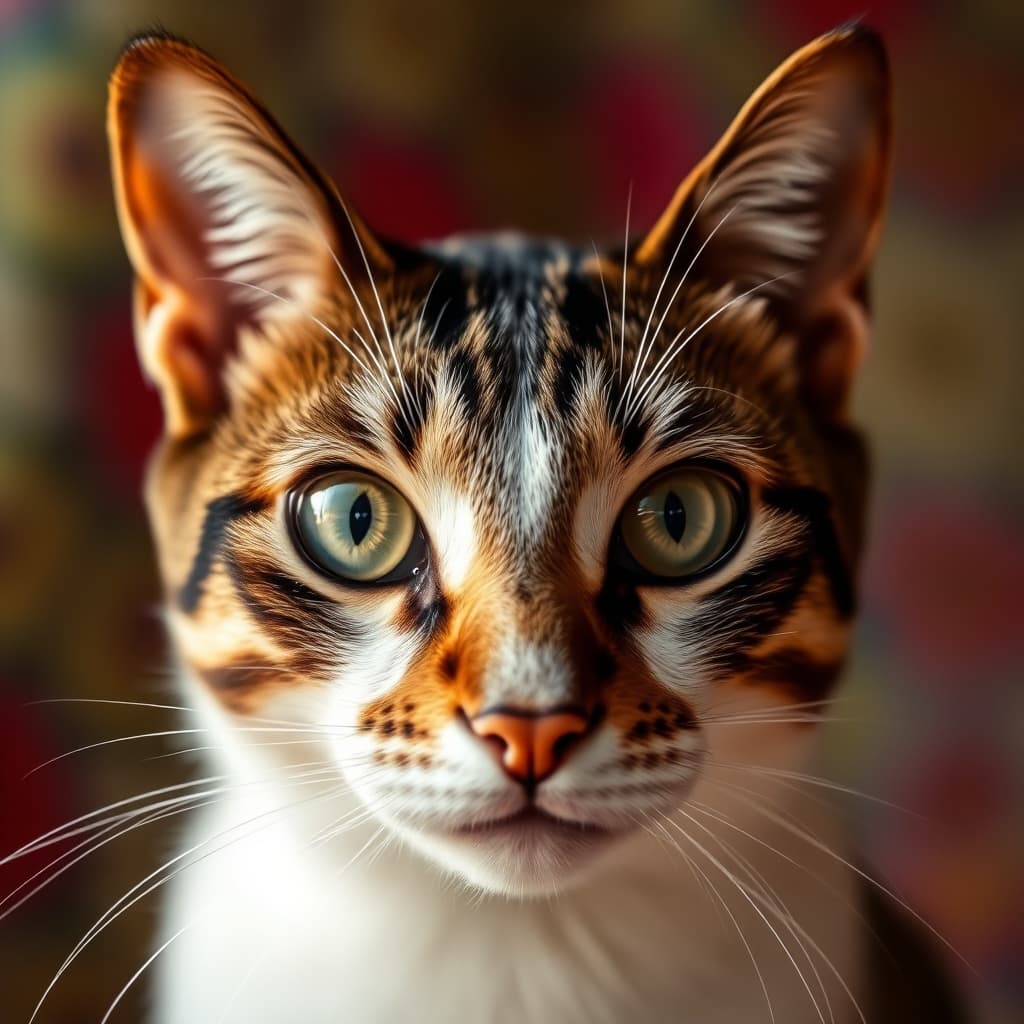
Remarkably, cats possess 6-8 times better night vision than humans. Their eyes contain a special reflective layer called the tapetum lucidum, which bounces light back through the retina. This is why their eyes glow in the dark!
Colors that cats see most clearly:
Blue and its shades - very bright and sharp
Green tones - nearly as well as humans
Yellow - appears as light green
Red and pink - perceived as brown or dark shades
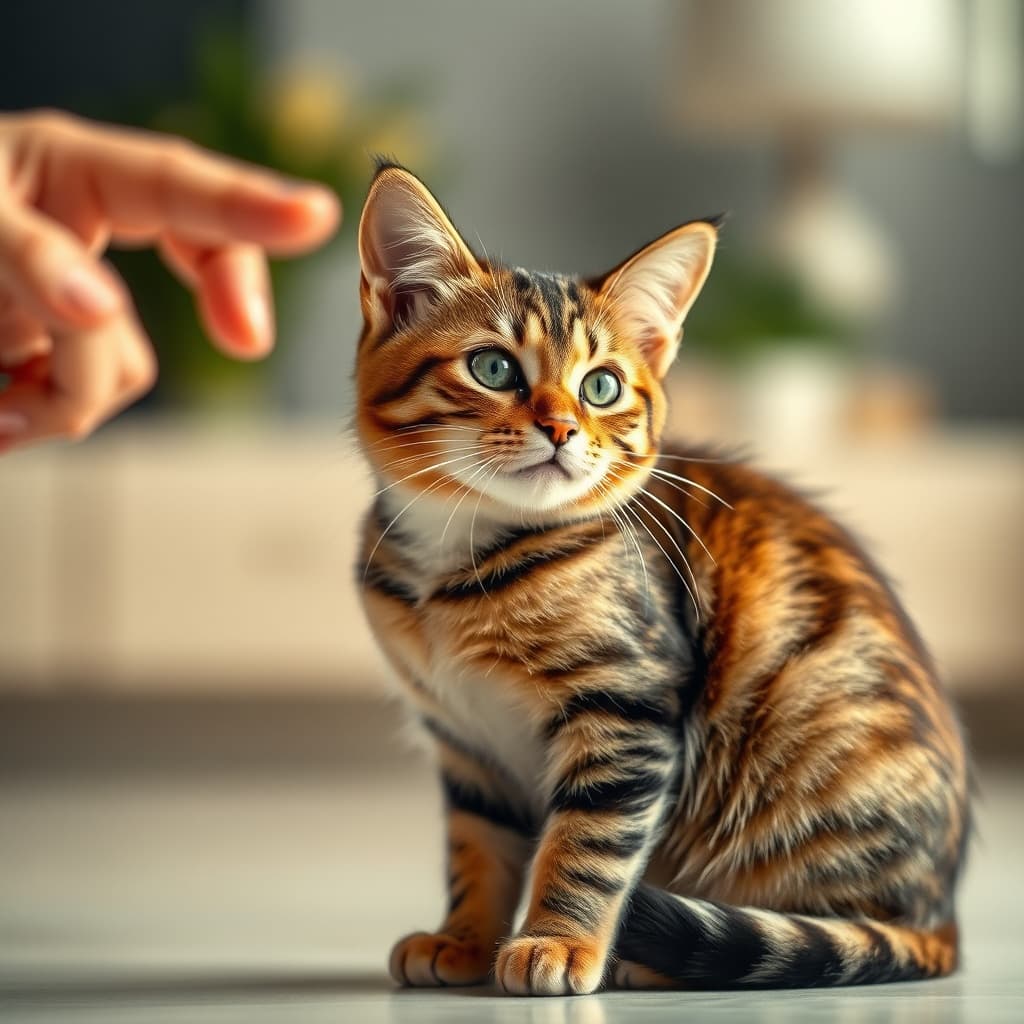
Scientific observations reveal that cats form mental categories of objects based not on color, but on shape, texture, and movement. This explains why your cat might ignore a beautiful red toy while going crazy over a simple piece of paper.
Evidence-Based Tips for Cat Owners
Choosing Toys Based on Feline Perception
Now that you understand how your cat perceives colors, you can select toys they'll actually see:
Blue toys are most attractive to cats
Green objects will catch their attention immediately
Replace red toys with blue or green alternatives
Moving toys are always the best choice
Designing Your Home Environment
You can also adapt your home setup to accommodate feline vision:
Food bowls in blue or green colors
Scratching posts in colors that contrast with the background
Avoid red accessories - cats barely perceive them
Behavioral Observations
Scientific studies of animal behavior show that cats respond individually to different stimuli. Monitor your cat:
Which colors elicit the strongest responses?
Which toys are consistently ignored?
How does behavior change under different lighting conditions?
These observations will help you better understand your individual cat's unique preferences and optimize their environment accordingly.
The Evolutionary Significance of Feline Vision
Cat vision evolved perfectly for their specific needs. This isn't a limitation—it's a specialization. Their ability to detect movement in low light and see in minimal illumination is far more crucial than distinguishing between red and green.
Insights from neuroethology (the study of nervous systems in relation to behavior) show us that feline brains are optimized to process visual information crucial for survival. Their visual system represents millions of years of evolutionary refinement.
Understanding Individual Differences
Recent research on carnivore cognition suggests that individual cats may show variations in their visual preferences and categorization abilities. Just as humans have individual differences in color perception, cats too may have unique visual signatures.
This means that while general principles apply, observing your specific cat's behavior remains the best way to understand their individual visual world and preferences.
Practical Applications for Better Cat Care
Environmental Enrichment
Use this knowledge to create more engaging environments:
Rotate toys based on color and movement
Consider lighting conditions when placing food and water
Create visual contrasts that cats can easily perceive
Training and Interaction
Understanding cat vision can improve training effectiveness:
Use high-contrast visual cues
Leverage movement rather than color for attention
Time training sessions for optimal lighting conditions
Conclusion: Seeing Through Feline Eyes
Understanding how your cat perceives the world can significantly enhance your relationship and improve their quality of life. While they don't see the world in the same colorful palette we do, their perception is perfectly adapted to their needs as sophisticated predators and beloved companions.
Next time you see your cat ignoring that gorgeous red toy, remember—it's not being picky, it simply sees the world differently. Perhaps it's time to invest in some blue or green alternatives?
This scientific understanding deepens our appreciation for the remarkable creatures sharing our homes and reminds us that there are many ways to experience the beauty of our world.
The scientific insights in this article are based on research published in the International Journal of Comparative Psychology and other peer-reviewed sources focused on comparative physiology and animal behavior.
Reference: Vonk, J., & Leete, J. (2017). Carnivore Concepts: Categorization in Carnivores "Bears" Further Study. International Journal of Comparative Psychology, 30(01). https://doi.org/10.46867/ijcp.2017.30.01.06