When Wild Meets Home: The Bengal Cat Phenomenon
If you've ever watched your Bengal cat scale impossible heights or noticed their mesmerizing golden shimmer, you've witnessed 6 million years of evolution in action. A groundbreaking 2024 study published in Current Biology has revealed the fascinating genetic truth behind these remarkable felines: Bengal cats carry a living legacy of wild ancestry that profoundly influences every aspect of their being.
Bengal cats were created through intercrosses between Asian leopard cats (Prionailurus bengalensis) and domestic cats (Felis catus). While researchers predicted Bengals would derive approximately 94% of their genome from domestic cats, specific regions containing leopard cat DNA account for their extraordinary traits that mirror those of ocelots and jaguars.
The Genetic Blueprint of Beauty
Coat Patterns That Tell an Ancient Story
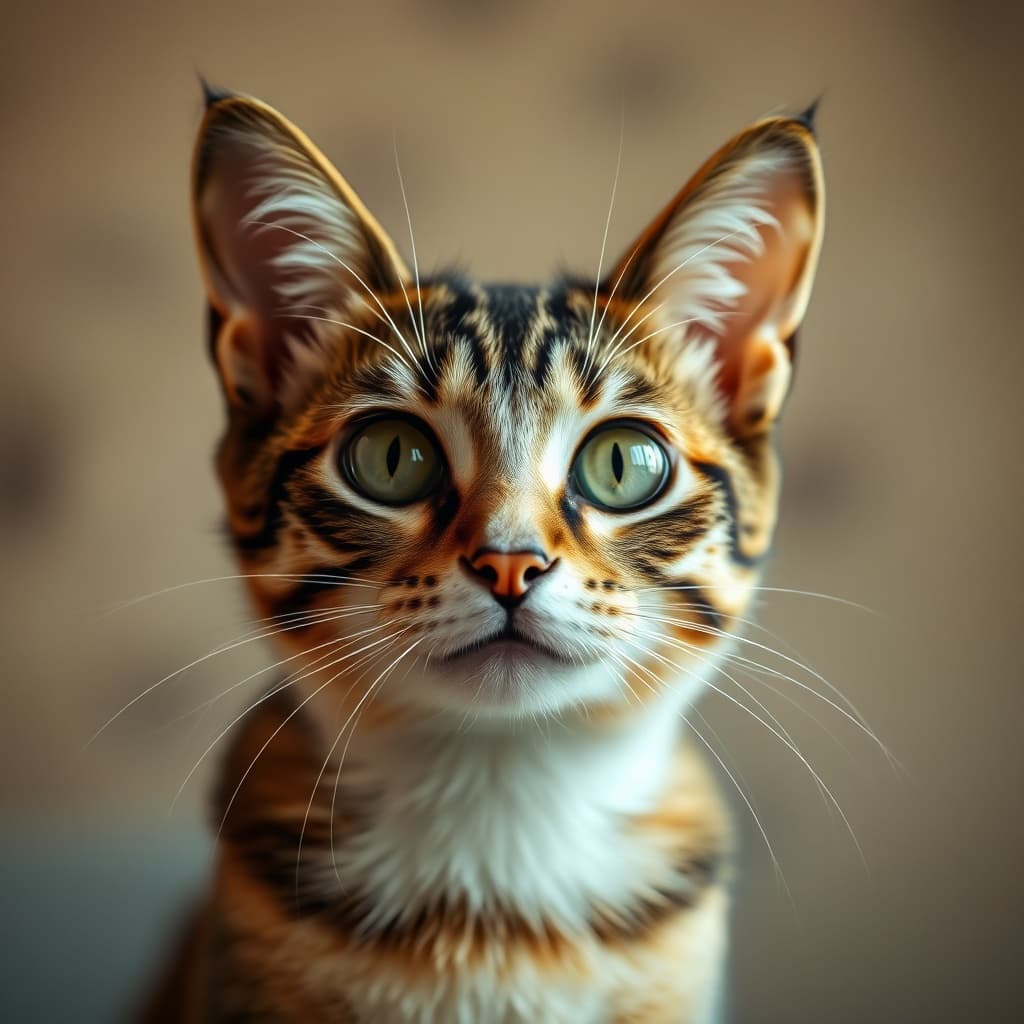
The stunning rosettes and marbled patterns adorning your Bengal aren't just aesthetically pleasing – they're genetic masterpieces. Advanced genomic sequencing has identified specific chromosomal regions where Asian leopard cat genes persist, directly influencing:
Agouti Signaling Protein (ASIP): Controls pigment distribution in individual hairs
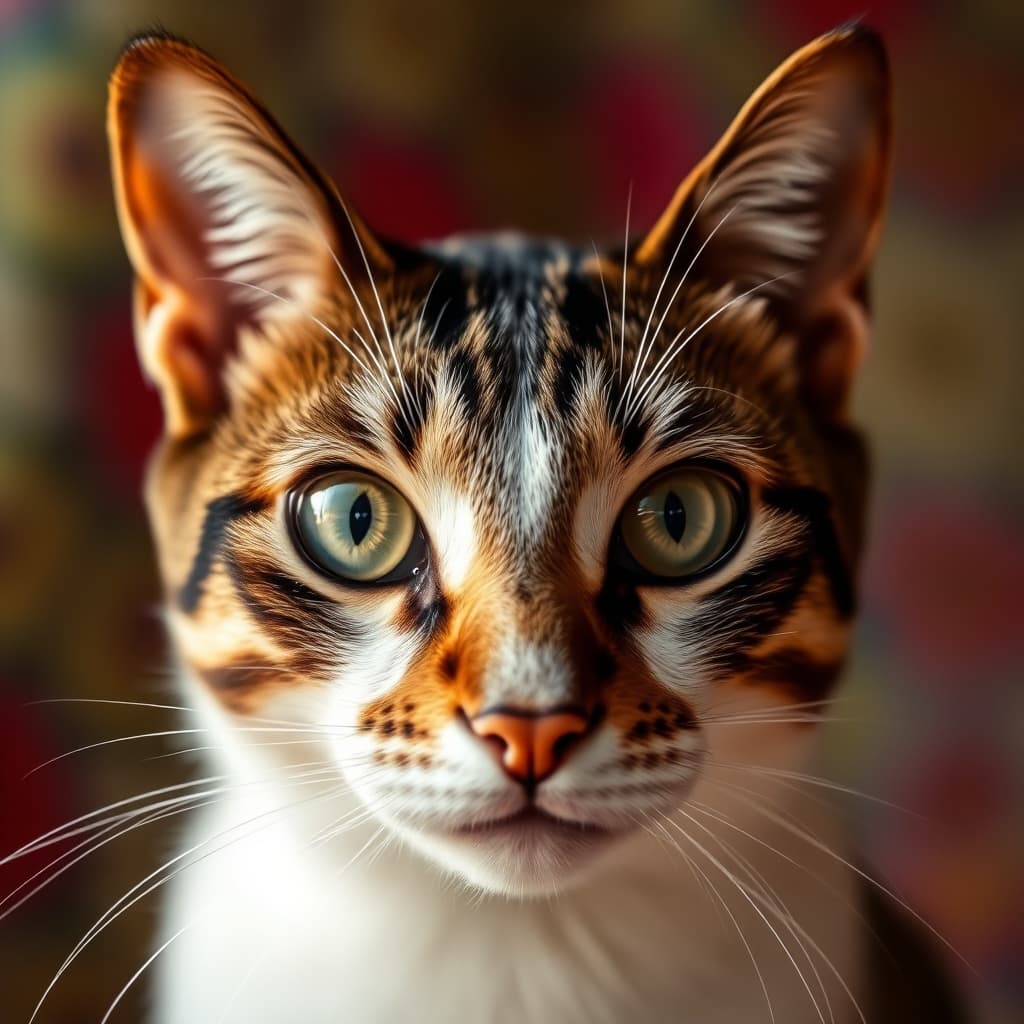
Charcoal coloration: The dramatic facial mask reminiscent of wild cats
Glitter gene: That unique sparkling effect exclusive to Bengals
A pivotal 2014 study revealed that a 2-base pair deletion in the ASIP gene inherited from Asian leopard cats creates the characteristic "incomplete melanism" responsible for the charcoal Bengal's mysterious appearance.
The Science Behind Those Captivating Eyes
Bengal cats possess enhanced night vision capabilities thanks to specific genetic variants affecting:
Tapetum lucidum structure (the reflective layer behind the retina)
Iris composition and light reflection
Photoreceptor density
This genetic inheritance from nocturnal hunters explains why your Bengal seems to see in complete darkness and has that hypnotic, almost supernatural gaze.
Behavioral Genetics: Wildness in Your Living Room
The Active Gene Expression
Whole-genome sequencing has revealed that genes influencing behavior patterns in Bengals differ significantly from standard domestic cats. This wild heritage manifests as:
High Activity Requirements:
3-4 hours of active engagement daily
Vertical territory needs (climbing instincts)
Enhanced prey drive and hunting behaviors
Social Hierarchy Instincts:
Tendency to establish dominance over other pets
Strong territorial marking behaviors
Pack-like social structures with humans
Water Affinity: An Evolutionary Advantage
Asian leopard cats inhabit riverine environments and frequently fish for food. This genetically encoded relationship with water has been preserved in Bengals, explaining why your cat might:
Actively seek out running water
Show no fear of baths or showers
Demonstrate superior swimming abilities
Play with water bowls obsessively
Health Implications of Hybrid Genetics
Understanding Genetic Predispositions
The unique genetic composition of Bengal cats creates both advantages and specific health considerations that responsible owners must understand:
Cardiomyopathy Risk: Recent 2025 research identified novel genetic variants associated with hypertrophic cardiomyopathy (HCM) in cats. Bengal cats show elevated risk due to the complex interaction between domestic and wild cat cardiovascular genes.
Progressive Retinal Atrophy (PRA): Inherited eye condition that can lead to blindness, with specific variants traced to the Asian leopard cat lineage.
Patellar Luxation: Kneecap dislocation occurs more frequently in hybrid breeds due to structural genetic variations.
The Importance of Genetic Testing
According to Dr. Lyons' comprehensive 2012 research, genetic testing now covers over 50 mutations across 35 genes in domestic cats. For Bengal cats, essential tests include:
PK Deficiency (Pyruvate Kinase): Can cause severe anemia
PRA variants: Multiple forms affecting vision
Cardiac markers: Early detection of heart conditions
Breed-specific panels: Comprehensive hybrid screening
Evidence-Based Care for Bengal Cats
Nutrition Aligned with Genetics
High-Protein Requirements: Wild genetic programming demands nutrition reflecting natural leopard cat diets:
Minimum 40% protein content in dry food
Fish and poultry-based formulations preferred
Omega-3 fatty acid supplementation
Limited carbohydrate content (under 10%)
Environmental Enrichment Based on Behavioral Genetics
Vertical Territory: Wild ancestors lived in trees, requiring:
Cat trees minimum 6 feet tall
Multiple perching levels
Secure outdoor enclosures when possible
Mental Stimulation: Enhanced intelligence demands:
Puzzle feeders and interactive toys
Training sessions (Bengals can learn dog-like commands)
Rotating toy selection to prevent boredom
Social interaction 2-3 hours daily
Veterinary Care Protocols
Specialized Health Monitoring:
Annual echocardiograms starting at age 2
Ophthalmologic examinations every 2 years
Genetic screening before breeding
Body condition monitoring (obesity predisposition)
Preventive Medicine:
Enhanced vaccination protocols
Regular parasite screening
Dental care (wild diet simulation)
Stress management techniques
Training Your Genetically Complex Cat
Working with Wild Instincts
Positive Reinforcement: Bengals respond exceptionally well to training when methods respect their intelligence:
Clicker training for basic commands
Leash training for safe outdoor exploration
Litter box management (multiple boxes for territorial needs)
Scratching behavior redirection
Managing Territorial Behaviors:
Consistent routine establishment
Multiple resource stations
Gradual introduction to new pets
Environmental stress reduction
The Future of Bengal Genetics
Ongoing genomic research continues revealing new insights into Bengal cat genetics. Current scientific efforts focus on:
Precision mapping of traits to specific genetic regions
Development of new health screening tests
Optimization of breeding programs for healthier cats
Understanding gene expression patterns throughout development
The Cat Genome Project and similar initiatives are creating unprecedented databases of feline genetic information, promising even more targeted care recommendations for Bengal owners.
Conclusion: Embracing the Wild Within
Your Bengal cat represents a remarkable achievement in genetics – a successful bridge between wild and domestic that maintains the beauty and mystique of their leopard ancestors while adapting to human companionship. Understanding their genetic heritage allows you to provide care that honors both their domestic needs and wild instincts.
By recognizing the scientific basis behind their unique traits, you can create an environment where your Bengal thrives – one that celebrates their genetic diversity while ensuring their health and happiness for years to come.
Reference: Kaelin CB, McGowan KA, Hutcherson AD, et al. (2024). Ancestry dynamics and trait selection in a designer cat breed. Current Biology, 34(7):1432-1445. DOI: 10.1016/j.cub.2024.02.075